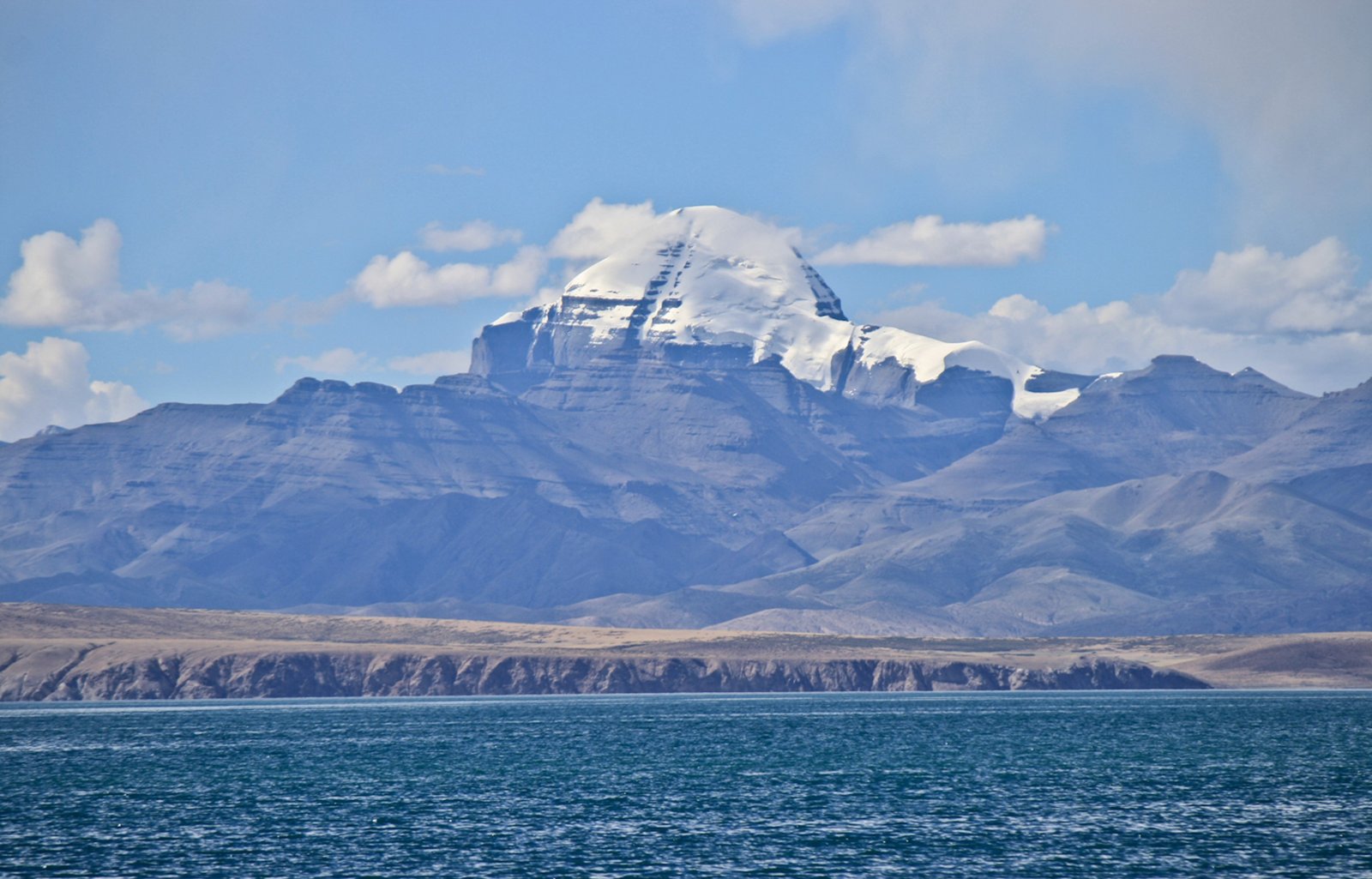
Mount Kailash and Lake Mansarovar are the spiritual heart of this pilgrimage. Mount Kailash—honored in Hindu, Buddhist, Jain, and Bon traditions —is seen as the axis mundi, or the symbolic center of the universe. Lake Mansarovar, located about 15,100 feet (4,590 meters) above sea level, is one of the highest freshwater lakes in the world and is revered for its purity and spiritual importance. This region is also a source of four major sacred rivers—the Sutlej, Brahmaputra, Indus (Sindhu) and Karnali - which further highlights its sacred significance.
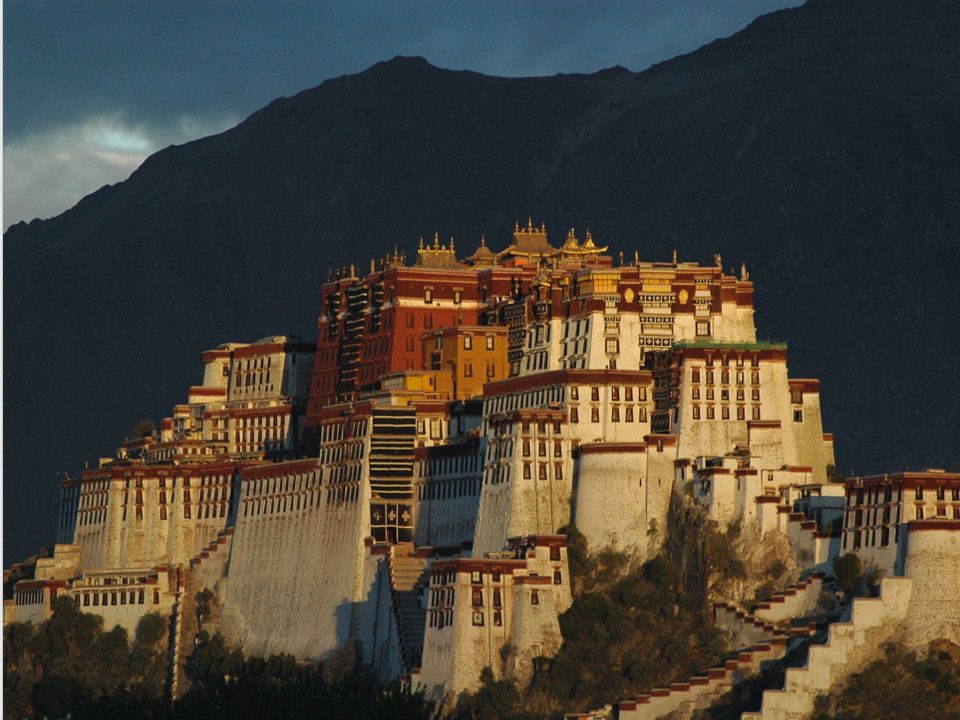
The journey begins with arrival in Lhasa (11,975 ft / 3,650 m), the capital of Tibet, via Chengdu or mainland China. Lhasa, one of the highest cities in the world, is known for its dramatic landscapes, rich cultural heritage and profound spiritual atmosphere. Two to three nights are typically spent here to acclimatize, along with visits to some of Tibet’s most esteemed landmarks: Norbulingka Palace, the summer residence of the Dalai Lama; the iconic Potala Palace, an architectural marvel and former seat of the Dalai Lama; the sacred Jokhang Temple, a UNESCO World Heritage Site considered the spiritual heart of Tibetan Buddhism and Sera Monastery, renowned for its traditional monk debates.
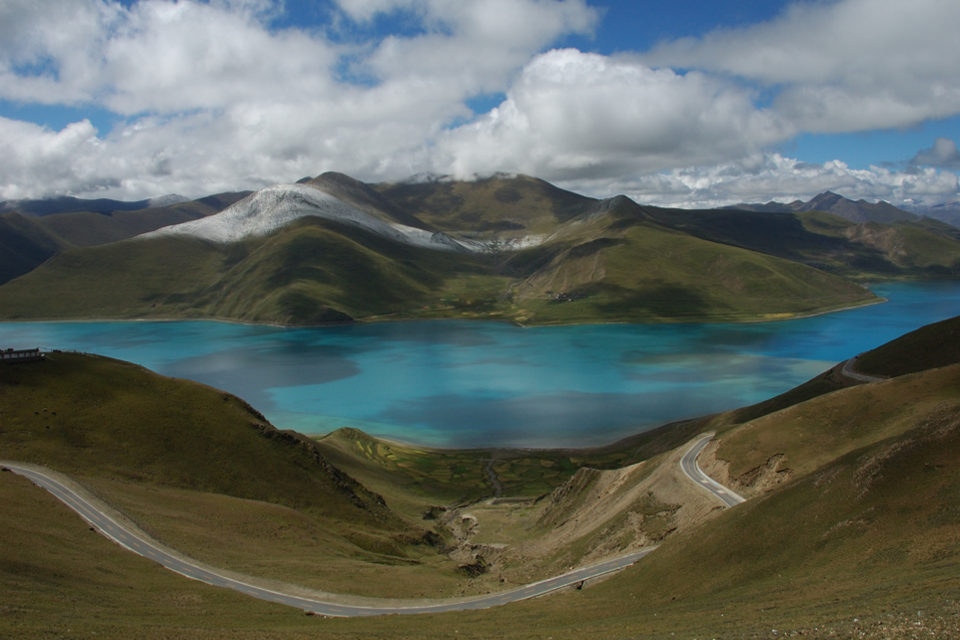
The route then proceeds toward western Tibet along spectacular high-altitude landscapes, beginning with a visit to the turquoise Yamdrok Lake (14,570 ft / 4,440 m), one of Tibet’s three holy lakes. An overnight stop is made in Shigatse (12,600 ft / 3,840 m), the second-largest city in Tibet and home to Tashilhunpo Monastery, the traditional seat of the Panchen Lama. The journey continues to New Tingri (14,430 ft / 4,400 m) for rest before ascending toward Everest Base Camp (17,060 ft / 5,200 m). The following day offers unforgettable views of Mount Everest before continuing on a long drive toward Saga (14,760 ft / 4,500 m).
From Lhasa, the journey heads into western Tibet through some truly breathtaking high-altitude scenery. The first major stop is the stunning turquoise Yamdrok Lake (14,570 ft / 4,440 m), one of Tibet’s three holy lakes. After soaking in the views, you’ll continue on to Shigatse (12,600 ft / 3,840 m) for an overnight stay. Shigatse is Tibet’s second-largest city and home to Tashilhunpo Monastery, the traditional seat of the Panchen Lama.
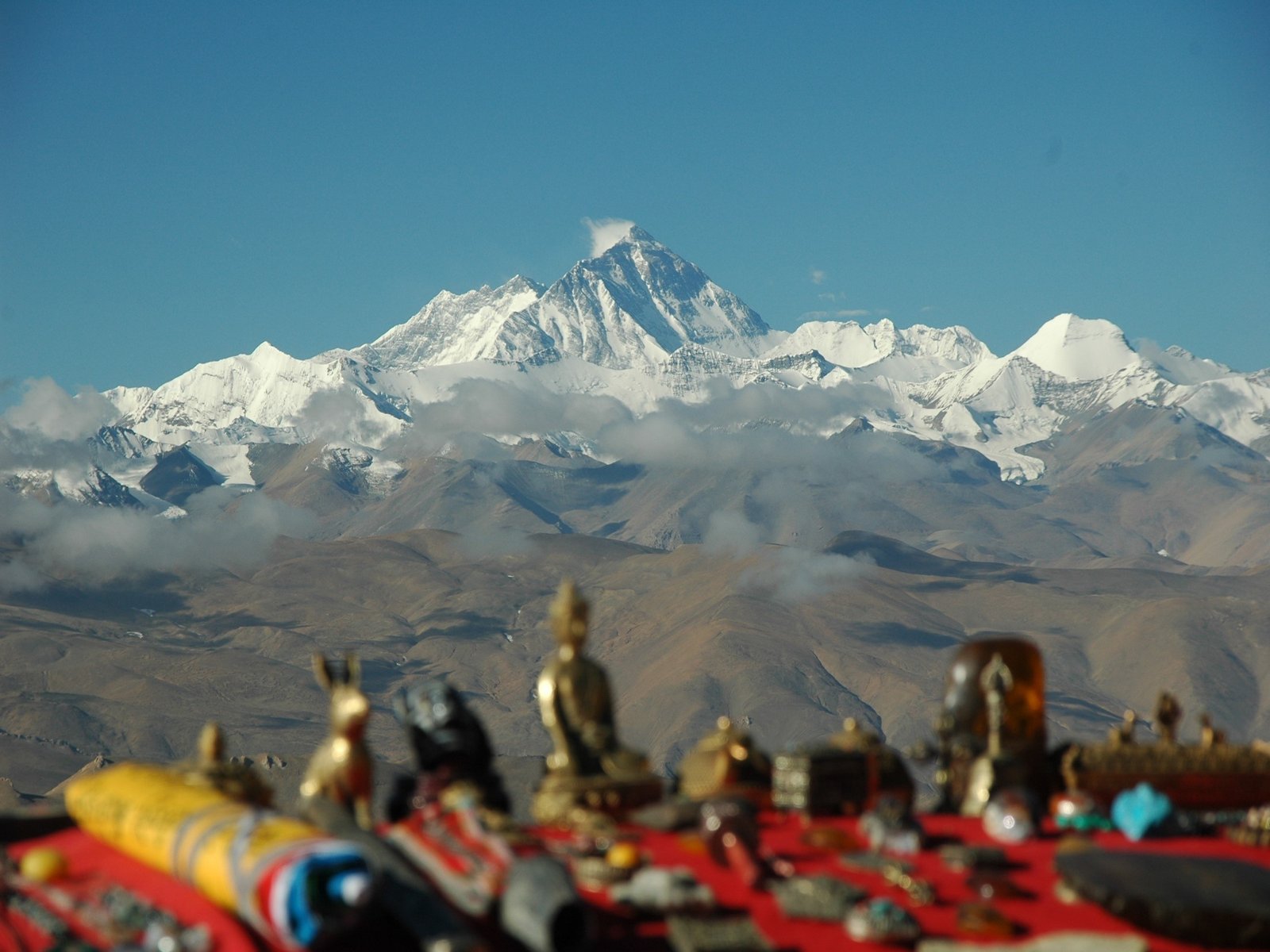
The journey continues to New Tingri (14,430 ft / 4,400 m) for rest before ascending toward Everest Base Camp (17,060 ft / 5,200 m). The following day brings unforgettable, up-close views of Mount Everest, after which the journey continues with a long drive toward Saga (14,760 ft / 4,500 m).
From Saga, the route leads toward Lake Mansarovar, providing exhilarating first views of Mount Kailash reflected in its sacred waters. After completing the Mansarovar Parikrama by vehicle and performing traditional rituals at the lake, the journey continues to Darchen (15,010 ft / 4,575 m), the base for the three-day circumambulation of Mount Kailash. This challenging trek crosses the formidable Dolma La Pass (18,472 ft / 5,630 m), the highest point of the Parikram. As you descend from the pass, Gauri Kund comes into view, a sacred glacial lake deeply revered for its spiritual significance.
The return journey retraces the route through Saga and proceeds toward the Nepal–China border. The descent through the lower valleys offers time to reflect on both the spiritual depth and the physical achievement of this remarkable pilgrimage.
This sacred Parikrama stands as a transformative experience, one that purifies the soul, brings profound serenity, and nurtures a powerful connection with the divine.
Upon arrival in Chengdu International Airport (CTU/TFU) / Mainland China. We will take a flight from Chengdu/ Mainland China to Lhasa. This will be acclimatization day. Local representative will meet with you and have a full pre-climb briefing. Take it easy, sip a cup of tea/ coffee & explore the city but not too much ☺
Explore the rich Tibetan history, art and religious traditions at some of Lhasa’s most iconic landmarks, all set against the stunning Himalayan backdrop. First, we visit Norbulingka Palace, also known as the "Jewel Park," a UNESCO World Heritage Site and the former summer residence of the Dalai Lama. The palace is renowned for its beautiful gardens and historical importance. Next, we head to the Potala Palace, the iconic red-and-white structure that once served as the winter residence of the Dalai Lama, offering breathtaking views and housing an impressive collection of Tibetan art and culture. We will also visit Sera Monastery, famous for its lively monk debates, providing a fascinating insight into Tibetan Buddhist practices and philosophy. Additionally, if time permits, we can visit the Jokhang Temple, a revered pilgrimage site and often considered the spiritual heart of Lhasa.
This day also offers an opportunity to acclimatize to Lhasa's high altitude of 11,994 ft (3,656 m), as we soak in the city’s unique blend of spirituality and natural beauty. Lhasa, known for its serene atmosphere, is not only a center of Tibetan culture but also a place where the deep-rooted Buddhist traditions continue to thrive. The landmarks visited today are not just historical sites but vital spiritual hubs, offering a glimpse into the profound connection between the people and their faith. The majestic views of the surrounding mountains enhance the city’s spiritual significance, making it a truly remarkable place to explore.
The journey from Lhasa to Shigatse offers incredible views of Tibet's diverse landscapes. A highlight along the route is Yamdrok Tso Lake, one of Tibet's three sacred lakes, known for its stunning turquoise waters nestled amidst snow-capped mountains. The drive passes through high-altitude mountain passes, such as Kamba La 15,728 ft (4,794 m), offering panoramic views of the lake and the surrounding peaks.
Shigatse, Tibet's second-largest city, is home to the Tashilhunpo Monastery, the seat of the Panchen Lama and offers an enriching cultural experience. The journey combines natural beauty, religious significance and cultural heritage, making it an unforgettable part of the Tibetan adventure.
The journey from Shigatse to New Tingri, is a scenic drive through the Tibetan Plateau. Situated at an altitude of 14,271 ft (4,350 m), Shegar serves as the gateway to Everest Base Camp. The route offers captivating views of rolling grasslands, dramatic mountain passes, and traditional Tibetan villages. Along the way, you’ll encounter the Gyatso La Pass, standing at 17,125 ft (5,220 m), which provides breathtaking panoramic vistas of snow-capped peaks. This section of the journey highlights the stark yet stunning beauty of Tibet's rugged landscapes.
New Tingri, though small, is an important stop for travelers enroute to Mount Everest. The town is surrounded by the towering Himalayas and offers accommodations suited for acclimatization to high altitudes. The area is also home to a diverse range of flora and fauna, making it a perfect stop to immerse yourself in the natural beauty and tranquility of the region before advancing toward Everest Base Camp.
Traveling from New Tingri to Everest base camp to Saga is a stunning journey through some of Tibet's most breathtaking landscapes. The journey from New Tingri to Everest base camp takes travelers along a rugged and often winding road. The route provides unparalleled vistas of the towering peaks, including Mount Everest, which becomes increasingly visible as you approach Rongbuk, the highest monastery in the world.
The region is also known for its unique and harsh environment, where the air is thin, and temperatures can plummet, making it an unforgettable, albeit challenging travel experience. The road from New Tingri to EBC offers a mix of natural beauty, cultural significance and a sense of adventure that attracts travelers seeking to experience the heart of the Himalayas.
After spending time at EBC, travelers continue on the journey to Saga. This is a long but scenic drive that takes you through the rugged and remote regions of western Tibet. Saga, situated at an elevation of 4,640 meters (15,223 feet), is a small town that serves as an important rest stop for travelers on their way to the Mount Kailash area. The route from EBC to Saga passes through diverse landscapes, including wide valleys, desert-like plains, and rolling hills, offering striking views of the Tibetan Plateau’s unique geography.
The journey from Saga to Lake Mansarovar takes travelers through the awe-inspiring landscapes of western Tibet. The road winds through barren plains, rugged mountains and small Tibetan villages, offering stunning views of the Tibetan Plateau. Along the way, travelers pass by ancient monasteries and lakes, enriching the cultural and spiritual significance of the route.
Our journey takes us to the banks of this sacred lake, where we will spend the night near Chu Gompa. Lake Manasarovar is considered one of the holiest lakes in Hinduism and Tibetan Buddhism, believed to have been created by Lord Brahma as a reflection of his soul.
Historically, Lake Manasarovar was surrounded by eight monasteries, each adding to its spiritual significance. The breathtaking landscape, with the shimmering waters of the lake and the towering presence of Mount Kailash in the background, makes this place a truly awe-inspiring destination for spiritual seekers.
At Lake Mansarovar, we will have pooja and head to Darchen. Darchen, situated at an altitude of 15,321 ft (4,670m), serves as the starting point for the pilgrimage circuit around Mount Kailash. Darchen itself is a small town, primarily known for its role as a base for those embarking on the Kora, the circumambulation of Mount Kailash. Being one of the holiest sites in Tibetan Buddhism, the region attracts pilgrims from across the world, many of whom travel long distances to complete the spiritual trek around the mountain.
After arriving in Darchen, an optional excursion can be arranged to Selung Gumpa, offering stunning views of the south face of Mount Kailash along with the majestic Nandi Parvat.
After breakfast, we begin our trek from Yam Dwar, the starting point of the sacred Kailash Parikrama (Kora). You can see the south face of Mt. Kailash from Yam Dwar. Here, we meet our porters and yaks, who will assist in carrying your duffle bags for the trek. Once everything is organized, we set out towards Damding, stopping for lunch at Donkhang, located at an altitude of 16,044 ft (4,890 m), after approximately three hours of trekking. This leg of the parikrama offers breathtaking views of Mount Kailash’s majestic west face, leaving trekkers in awe of its grandeur.
After lunch, we continue along the Lha Chu River, with Mount Kailash’s striking North face gradually coming into view. Along the way, we pass several guesthouses and the Dirapuk Gompa/monastery on the opposite bank of the river. By evening, we are treated to spectacular, close-up views of Kailash’s north face, visible from our guesthouse or campsite. The three smaller hills at the base of the mountain are named after Buddhist deities—Manjushree, Avalokitesvara, and Vajrapani—representing wisdom, compassion and strength. We conclude the day with dinner and an overnight stay at the guesthouse in Dirapuk.
After an early breakfast, we set out from Dirapuk to begin the day’s trek. Crossing the Lha Chu River on a wooden bridge, the Kora route takes us on a challenging ascent over a moraine before merging with the trail from the east bank. The path gradually levels out, leading to a meadow at an altitude of 17,096 ft (5,212 m), where marmots are often spotted. Continuing onward, we reach Shiva-sthal at 17,488 ft (5,330 m), a sacred site where Tibetan pilgrims leave offerings such as a piece of clothing or a drop of blood/ hair/ nail, symbolizing the shedding of their past life.
The trail ascends further to a series of rock cairns, culminating at a prominent cairn at 17,685 ft (5,390 m). Beyond this point, we navigate a boulder field before climbing through large rocks to a small stream at the base of Dolma La. A steep ascent then takes us to the high pass at 18,472 ft (5,630 m), marked by a boulder adorned with colorful prayer flags, symbolizing the Goddess Dolma (powerful form of the goddess Durga). From the pass, we begin a steep and rocky descent, winding through switchbacks past Gauri Kund. Further descents lead us to the campsite for the night, located by the Lham Chhukhir River at 16,897 ft (5,150 m), where we enjoy dinner and rest in Zutulpuk.
At Zutulpuk Gompa 15,716 ft (4,790 m), there is a cave where the renowned Tibetan saint Milarepa is believed to have meditated. According to legend, Milarepa adjusted the cave’s height with his foot to make it more comfortable and his footprint can still be seen on the roof. From here, the trek continues along the Jhong Chu River, crossing a bridge before descending to 4,610 meters, where we reach the last prostration point, Chaksal Gang. This spot offers great views of Lake Manasarovar, though Mount Kailash remains hidden from view.
At this point, vehicles and mules can access the trailhead, but those wishing to complete the full Parikrama can continue trekking for another hour through Mani walls and carved yak skulls, eventually returning to Darchen, the starting point of the trek. Once back in Darchen, we board our waiting vehicles and drive to Lake Manasarovar for lunch. Afterward, we drive towards Saga.
It's going to be a long day and drive. From Saga, we begin our journey towards, a border town, Timure/Kodari
After completing the immigration formalities at the border, we drive to Kathmandu, the capital of Nepal, which is approximately 125 kilometers (78 miles) away. The journey offers scenic views of the lower Himalayan foothills, marking a significant change in landscape as we descend towards the vibrant city of Kathmandu
After breakfast, we visit the famous Pashupatinath Temple in the heart of Kathmandu, for a darshan. Later in the evening you can walk through the small lanes and by-lanes of Thamel. You get a fair idea of the nature of this crazy city where the adventure seekers, travelers, trekkers, tourists, political activists are juxtaposed against the grace of an old Nepal.
After breakfast, you will be transferred to Tribhuvan International Airport, ensuring arrival at least three hours before your scheduled departure.
Embark on an unforgettable journey through stunning mountain landscapes. Our Mountain Trek takes you through picturesque trails, dense forests, and serene valleys. Experience the natural beauty and tranquility of the mountains as you trek through diverse terrains and enjoy breathtaking views. Whether you're an adventure enthusiast or a nature lover, this trek offers something for everyone.